Longsheng Technology

Products
HOT PRODUCT
Flexible Printed Circuit (FPC)
A flexible printed circuit (FPC), also known as a flexible circuit board or flex board, is a thin, lightweight and bendable type of printed circuit board that adapts readily to compact or moving device designs. FPCs are widely used in smartphones, notebook computers, PDAs, digital cameras, LCD displays and other electronic products.
FPC (flex board, flexible circuit board) is Long Sheng's core product. Long Sheng manufactures single-sided to four-layer FPCs using polyimide (PI) substrates with rolled or electrodeposited copper, supporting ENIG, electroplated gold, OSP and other surface finishes, with SMT component assembly, stiffeners and shielding films available.
Applications: smartphones, wearable devices, automotive displays, medical equipment
Read More >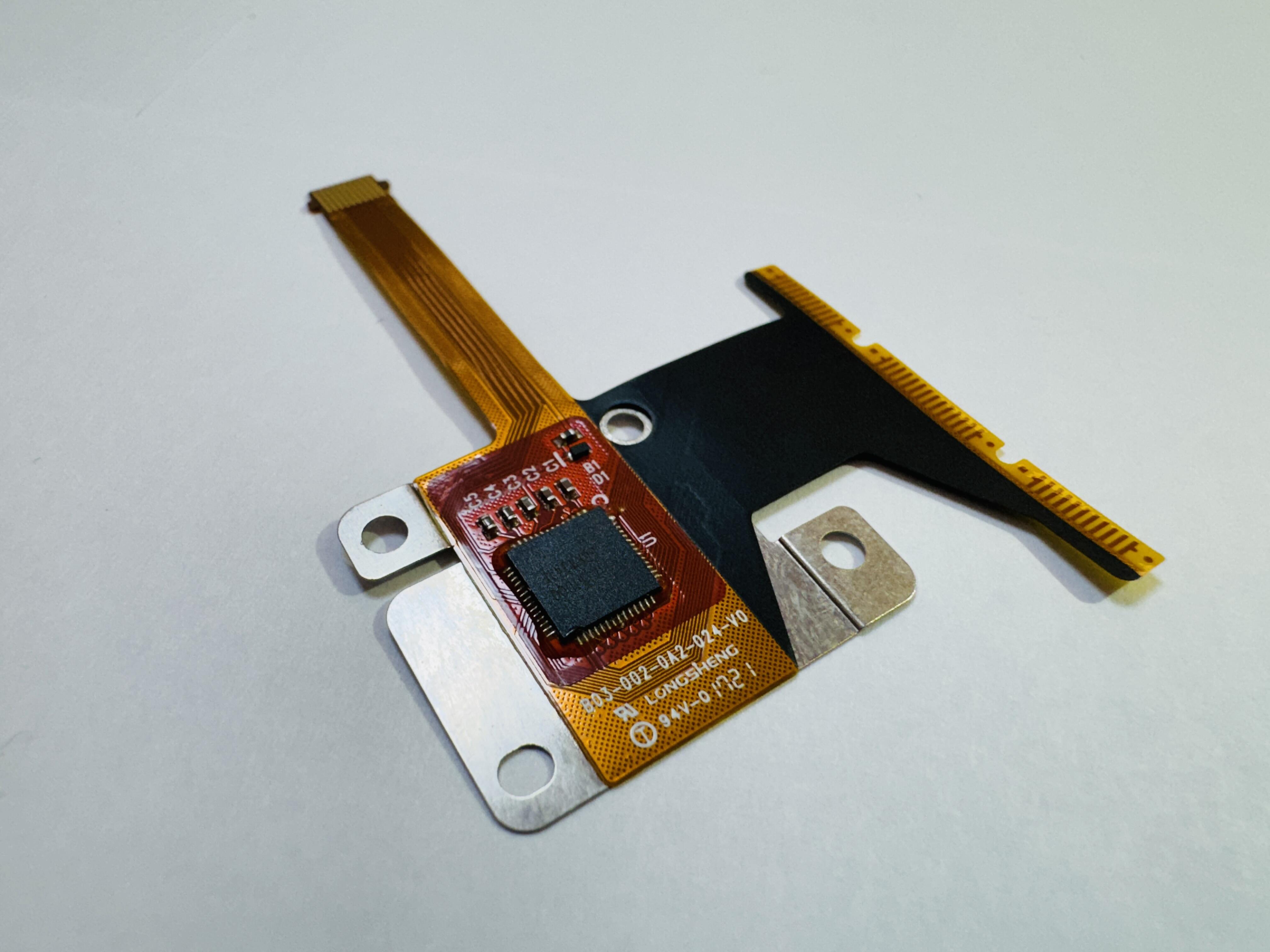
Rigid-flex Board
A rigid-flex board combines a flexible printed circuit (FPC) with a rigid printed circuit board (PCB), offering flexibility and stability at the same time. It delivers excellent electrical performance and reliability within limited space while simplifying product assembly.
A rigid-flex PCB laminates rigid and flexible boards into a single unit: components are mounted on the rigid areas while the flexible areas carry the bending connections, eliminating connectors and hotbar soldering. It suits camera modules, wearable devices, endoscopes and other products with extreme space constraints.
Applications: phone camera modules, smartwatches, endoscopes, wearable sensors
Read More >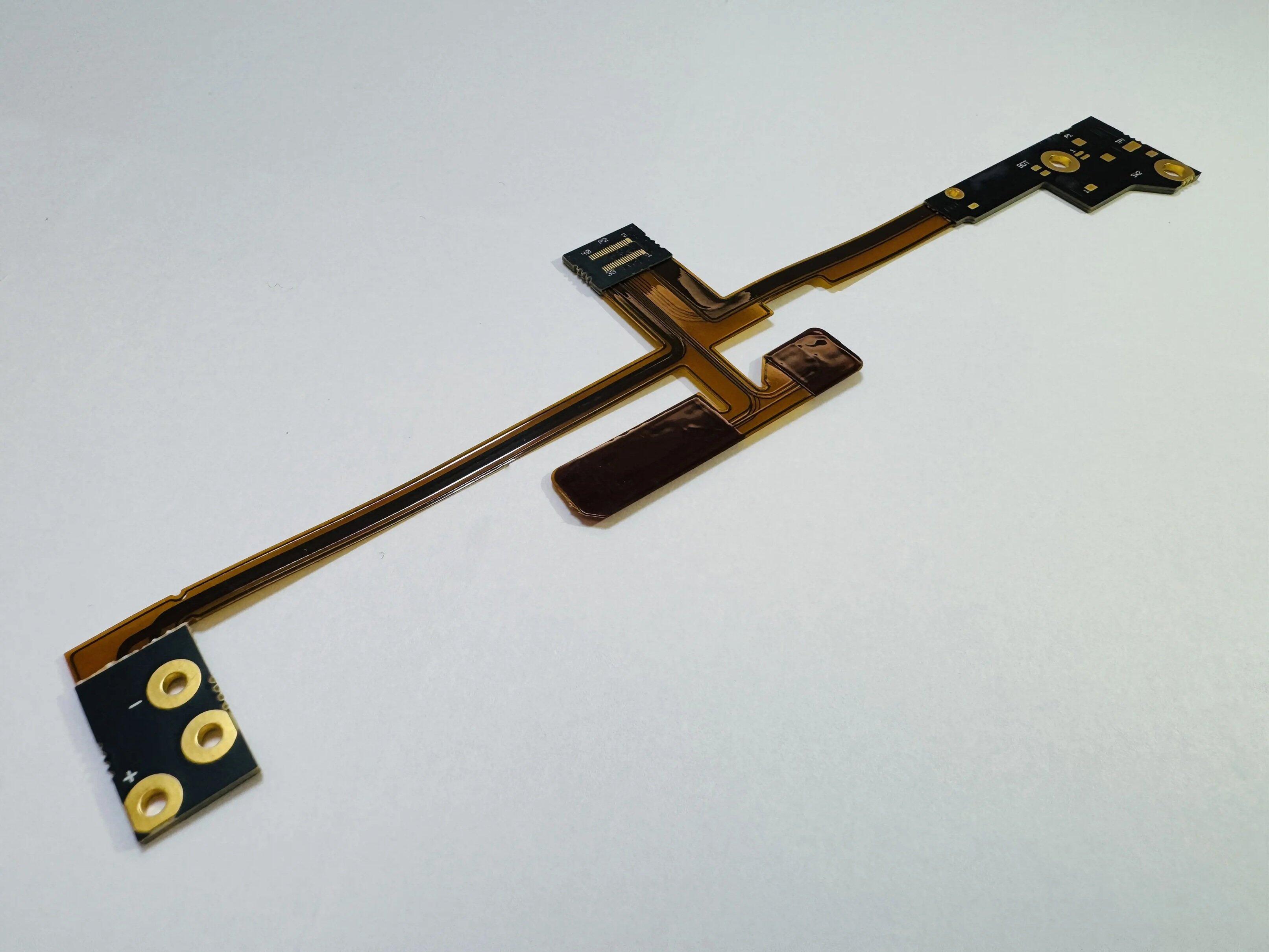
Flexible Flat Cable (FFC)
A flexible flat cable (FFC) is made of flat, pliable conductors, typically tin-plated pure copper wire, bonded at high temperature with a thin flexible film or paper film. Its slim, lightweight and bendable nature has made it widely used in highly integrated electronics such as notebook computers and smartphones.
Simple in structure and low in cost, it is the standard connecting cable for notebooks, printers, monitors and similar equipment. Long Sheng offers customized FFC from 4 to 60 pins. Unlike FPC, FFC is suited to point-to-point connection and straight-line routing; choose FPC when complex trace routing or mounted components are required. Long Sheng produces both FFC and FPC, and can recommend the option that best fits your needs.
Applications: notebook display cables, printers, scanners, automotive equipment
Read More >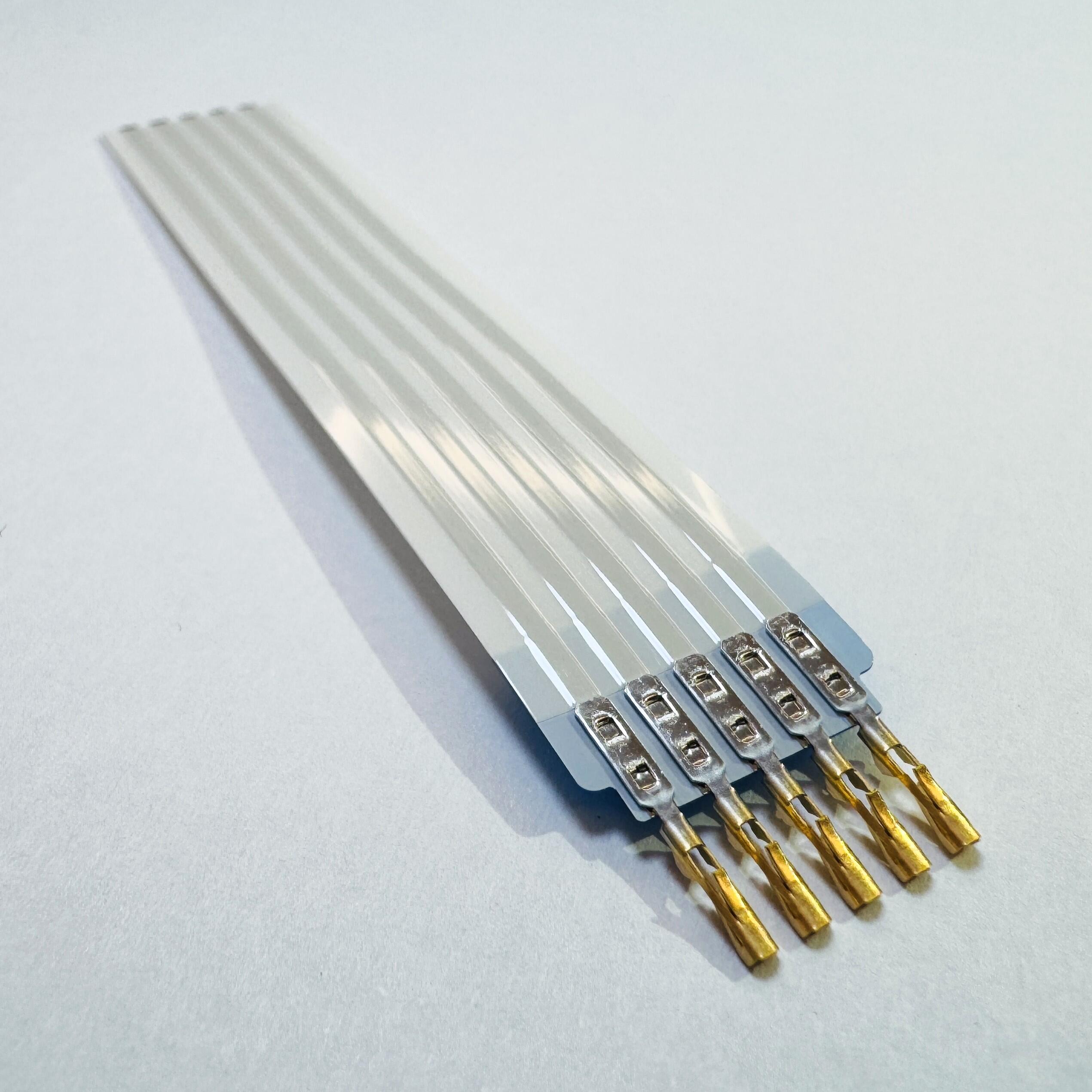
Printed Circuit Board (PCB)
The PCB (rigid board, printed circuit board) is the foundation of electronic products. Long Sheng manufactures single-sided to multilayer PCBs using FR-4 substrates, with support for impedance control, ENIG surface finish, SMT assembly and electrical testing. On a high-precision rigid board the copper traces are laid out like miniature channels; although it cannot be bent, it delivers stable, high-speed signal transmission, making it a vital core support for smart devices and advanced electronic systems.
What sets Long Sheng apart is integration with FPC and rigid-flex boards: the main control PCB inside a camera module, the connecting FPC and the bracket rigid-flex board can all be designed and manufactured under one roof at Long Sheng. This is especially valuable for applications that require coordination across multiple boards, such as medical equipment and wearable devices.
Applications: main control boards, power modules, sensor bases, modules paired with FPC / rigid-flex boards
Read More >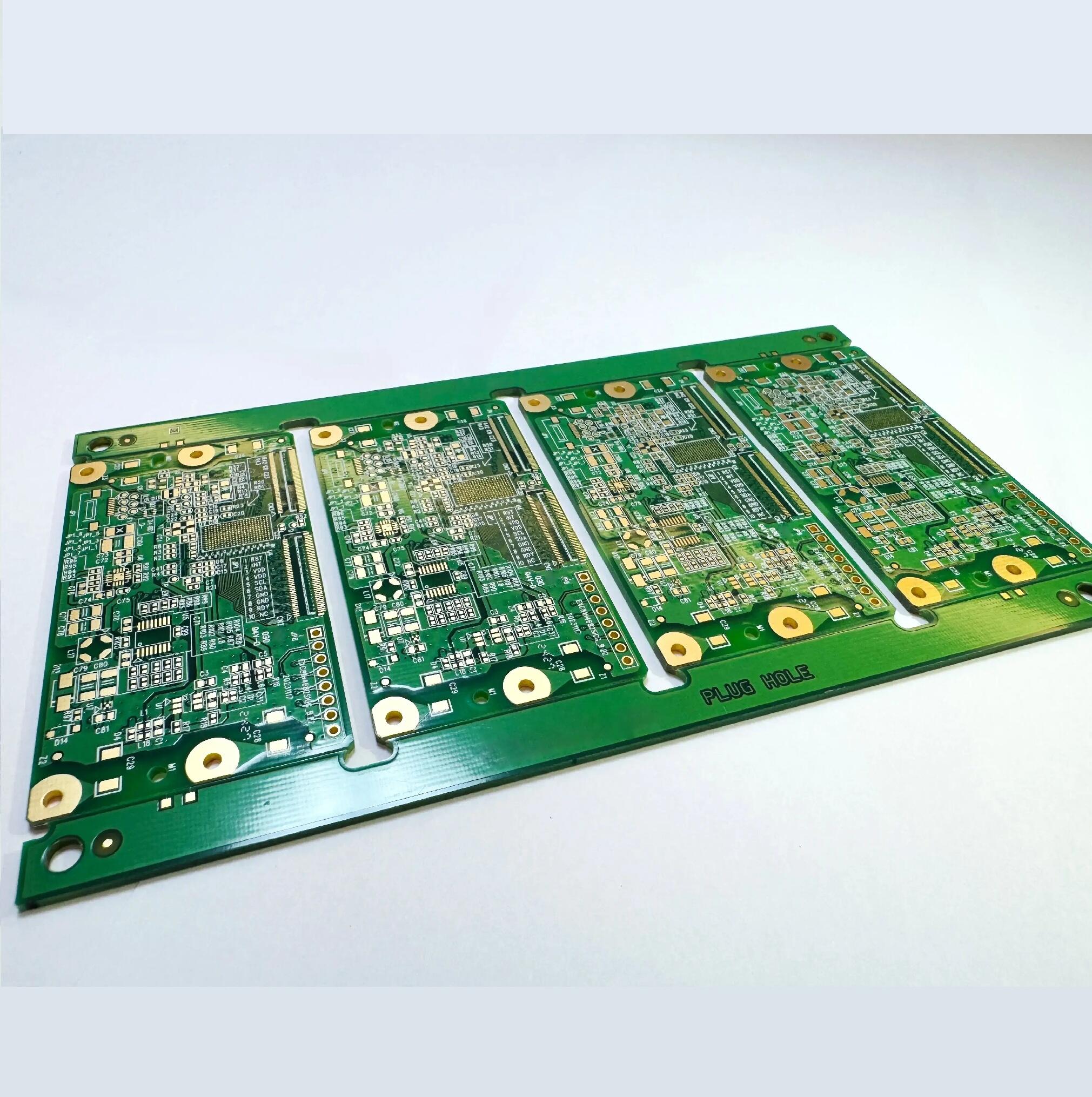
Stainless Steel Etching
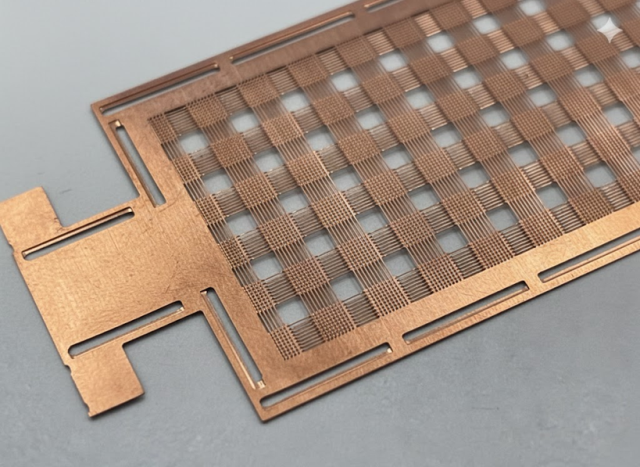
Stainless steel etching expresses both symmetrical and asymmetrical beauty, combining industrial toughness with refined design. Applications span stainless steel parts, special-alloy medical electrosurgical blades and thermal modules, uniting precision with function to showcase advanced technology and practical aesthetics.
Precision etching is another of Long Sheng's core capabilities, covering standard etching (through holes), half etching (bend lines, recesses, thinning) and tie-bar-free etching (micro-hole filter meshes), suited to medical electrosurgical blades, thermal modules, passive components, precision filter meshes and similar applications.
Applications: medical electrosurgical blade leads, vapor chamber microchannels, filter meshes, precision parts, connector contact springs
Read More >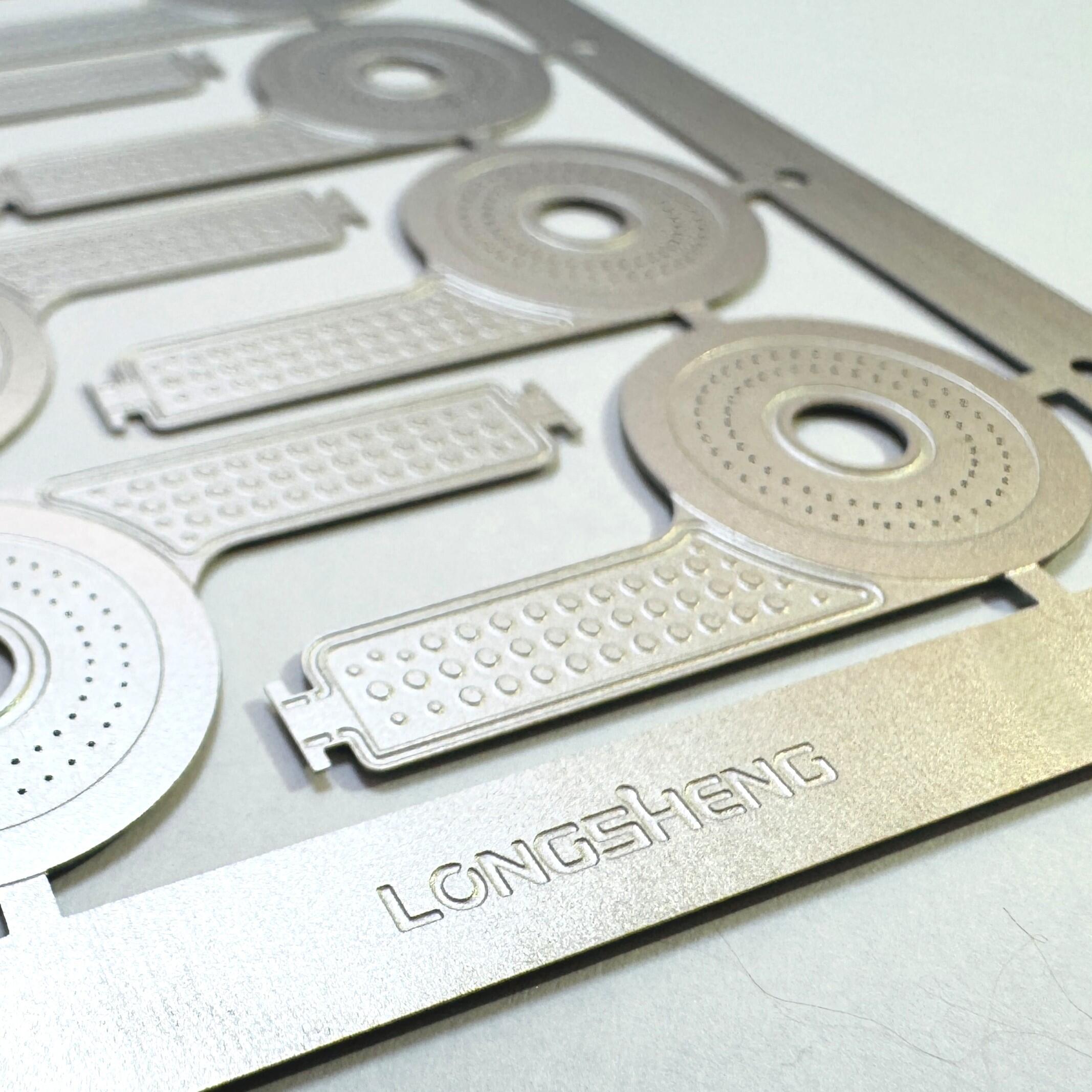

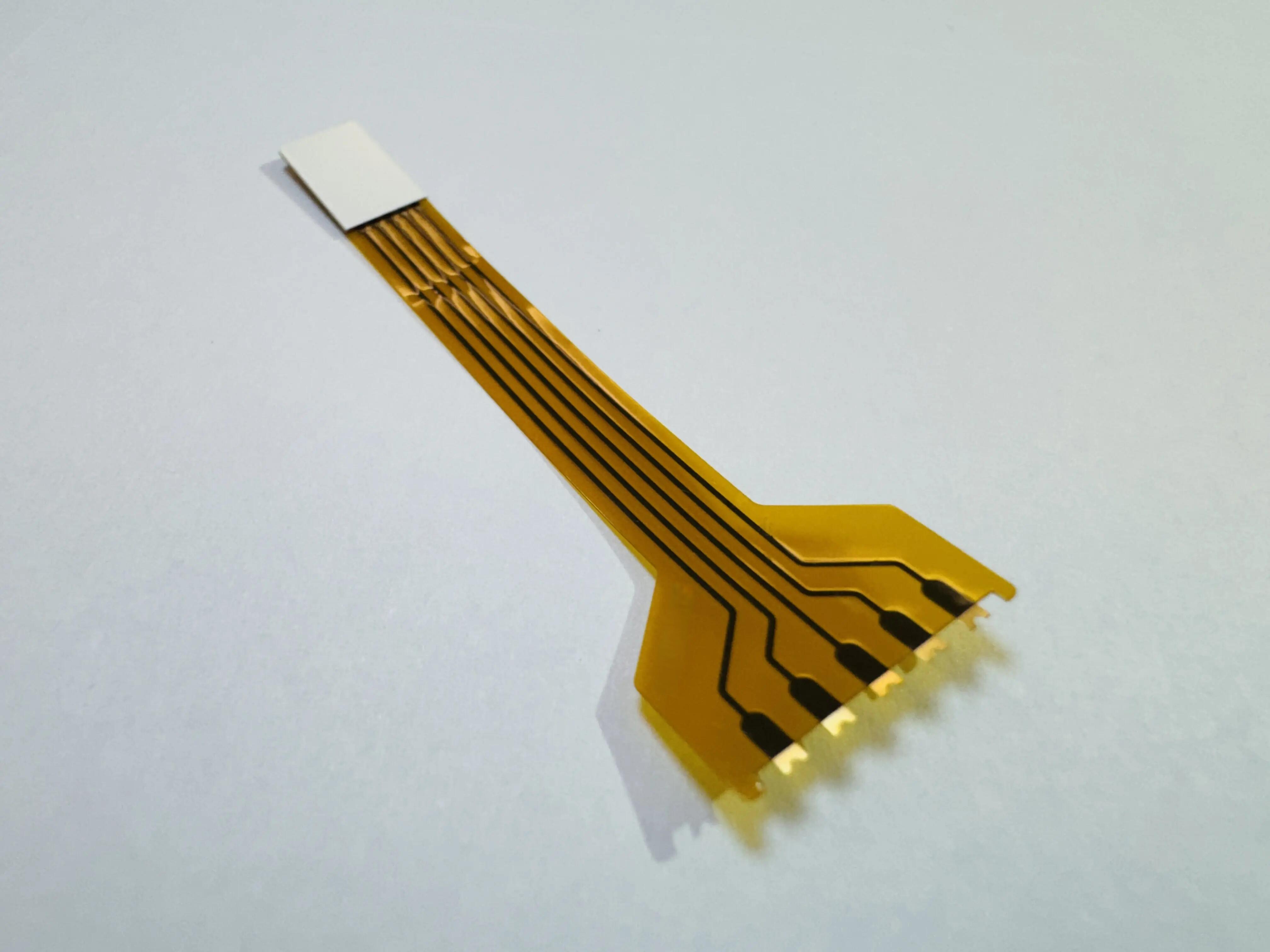
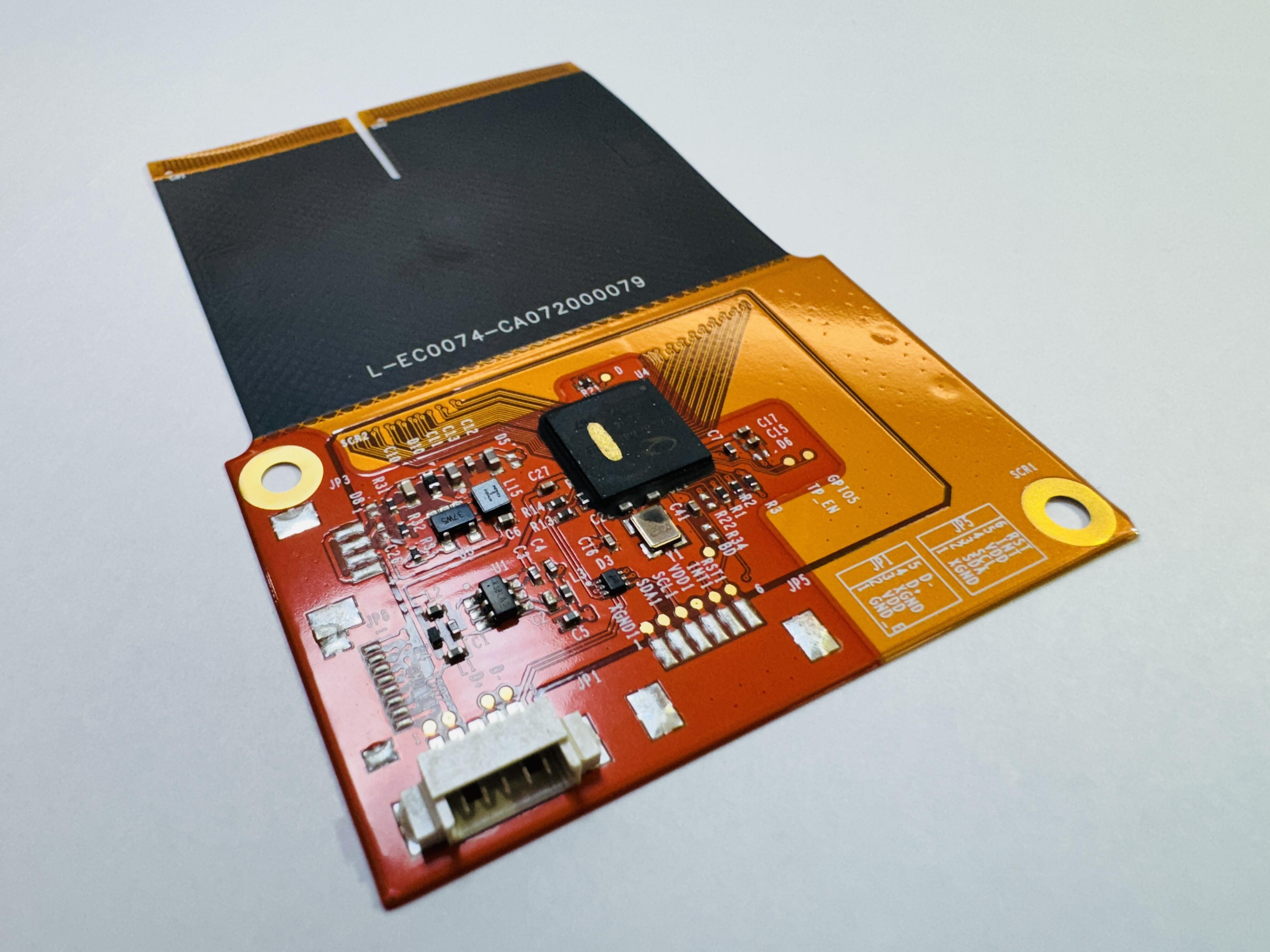
Flexible Printed Circuit (FPC)
Flexible Printed Circuit (FPC)
Flexible printed circuit boards (FPCs) are highly flexible conductive carriers in electronic products, crucial for achieving thinner, lighter, and more integrated designs.
Combined with precision etching processes to create high-density conductive paths and open structures, FPCs possess flexible and bendable properties, enabling stable operation in confined spaces and movable structures, and supporting 5G high-frequency, high-speed transmission (such as LCP antenna modules).
Common applications of FPCs have expanded to optical communications, smartphones, wearable devices, laptops, digital cameras, and lens modules, suitable for all electronic products pursuing ultimate design.
Product Features
01 Lightweight and Flexible
— Lightweight and thin, saving space
02 Bendability
— Suitable for various complex or movable design needs
03 High Integration
— Suitable for high-density, compact electronic products
Dual-panel touch module
Dual-panel touch module

Dual-sided optical communication module

Three-layer flexible plate lens module
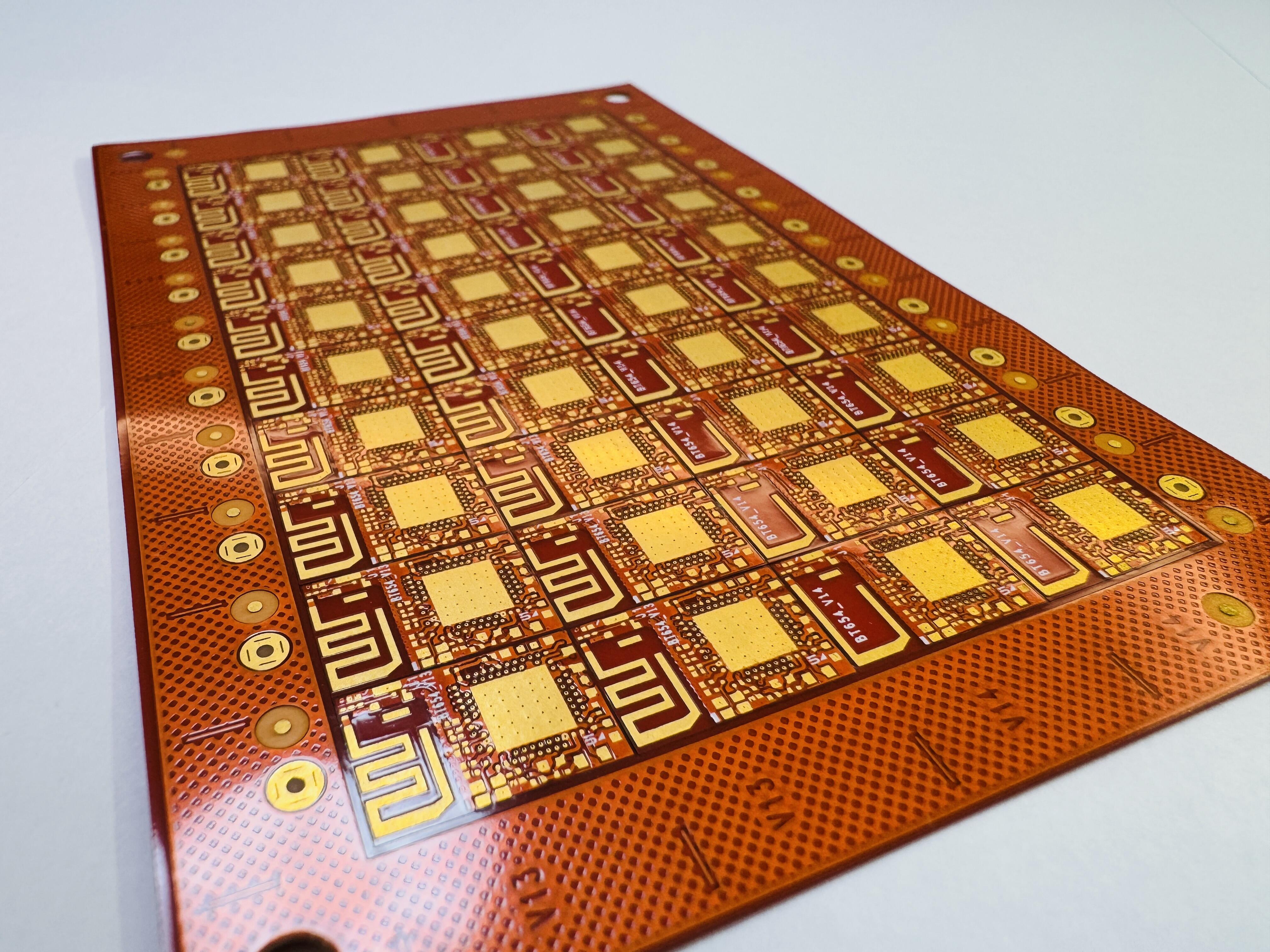
Four-layer flexible circuit board communication module
Rigid-flex board

Rigid-Flex Board
Rigid-flex PCBs are a core solution for achieving thinner and lighter designs in electronic products. This flexible yet rigid board material, through precision etching and multilayer lamination processes, enables miniaturized wires and complex wiring requirements, effectively shortening signal paths and improving overall module integration and reliability.
These boards are widely used in product design fields with stringent requirements for high density, high reliability, and lightweight design, such as smartphones, camera modules, flexible displays, medical devices, and aerospace electronics.
Product Features
01 Rigidity and Flexibility Combined
— Possesses the flexibility of flexible circuit boards and the stability of rigid circuit boards
02 High Efficiency
— Provides excellent electrical performance and reliability
03 Easy Assembly
— Simplifies product assembly process
Rigid-Flex Board

Rigid-Flex Board
Flexible flat cable (FFC)
Flexible Flat Cable (FFCs)
FFCs are typically made with tin-plated pure copper conductors, offering excellent conductivity and the ability to withstand repeated bending. They are suitable for electronic devices requiring frequent opening and closing or operating in confined spaces. Through precision etching and stamping processes, high-density, low-impedance, and stable signal transmission can be achieved.
Common applications include laptops, smartphones, LCD displays, printers, and automotive electronics.
Product Features
01 Slim and Flexible
— Made of flat, flexible conductors
02 Flexible and Bendable
— Easy to wire flexibly in limited spaces
03 Integrated Applications
— Suitable for connecting to high-density electronic products
Flexible Flat Cable
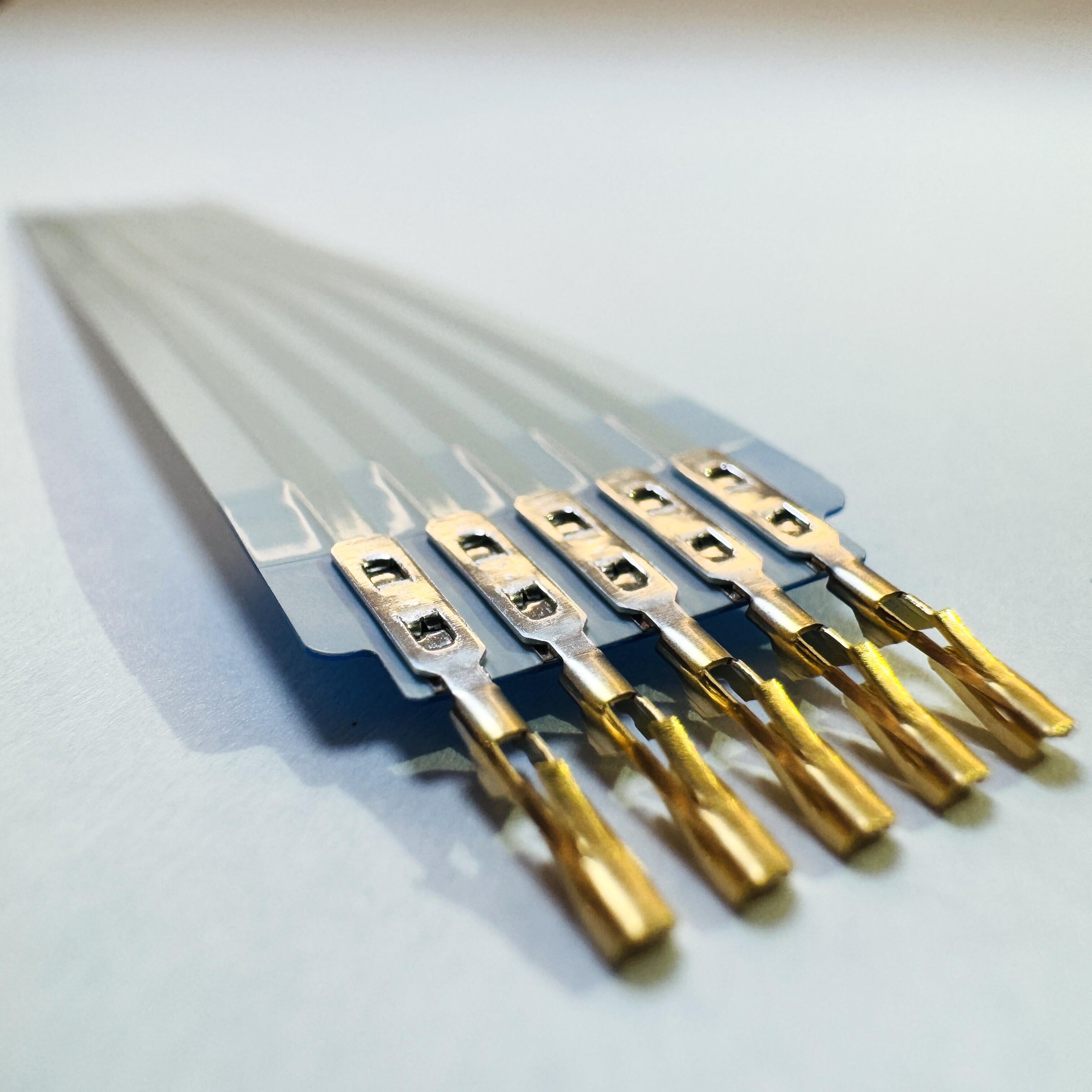
Flexible Flat Cable
Printed Circuit Board (PCB)
Printed Circuit Board (PCB)
Rigid printed circuit boards are the core rigid substrates of electronic devices. They possess excellent structural strength and conductivity stability, allowing them to withstand high-temperature soldering and multi-layer circuit stacking in touch module applications, making them suitable for high-speed signal and high-power applications.
Through precision etching and lamination technologies, multi-layered, high-density wiring designs can be achieved, effectively supporting surface mount technology (SMT) assembly.
Product Features
01 Precision Structure
— Copper wires are precisely arranged like miniature channels
02 Rigid Design
— Unbendable, maintaining structural stability
03 High-Speed Transmission
— Providing design support for innovative electronic systems

Printed Circuit Board
Printed Circuit Board

Printed Circuit Board
Stainless steel etching

Stainless steel etching
We offer precise control over dimensions and depth, suitable for a wide range of materials including stainless steel, copper, nickel, and various special alloys. Compared to traditional stamping processes, chemical etching ensures micron-level precision, producing parts with low stress, burr-free surfaces, and completely avoiding thermal effects or mechanical damage.
Suitable for manufacturing micro-parts and complex shapes, ensuring long-term product stability and reliability.
Product Features
01 Refined Design
— Presents symmetrical and asymmetrical product structures, combining industrial robustness with sophisticated design
02 Versatile Applications
— Applicable to components, medical-grade special alloy etching electrocautery knives, heat spreader modules and temperature control components, heat dissipation modules, and passive components, etc.
03 Precision and Reliability
— Combining advanced technology with practical applications, providing precise and reliable performance.
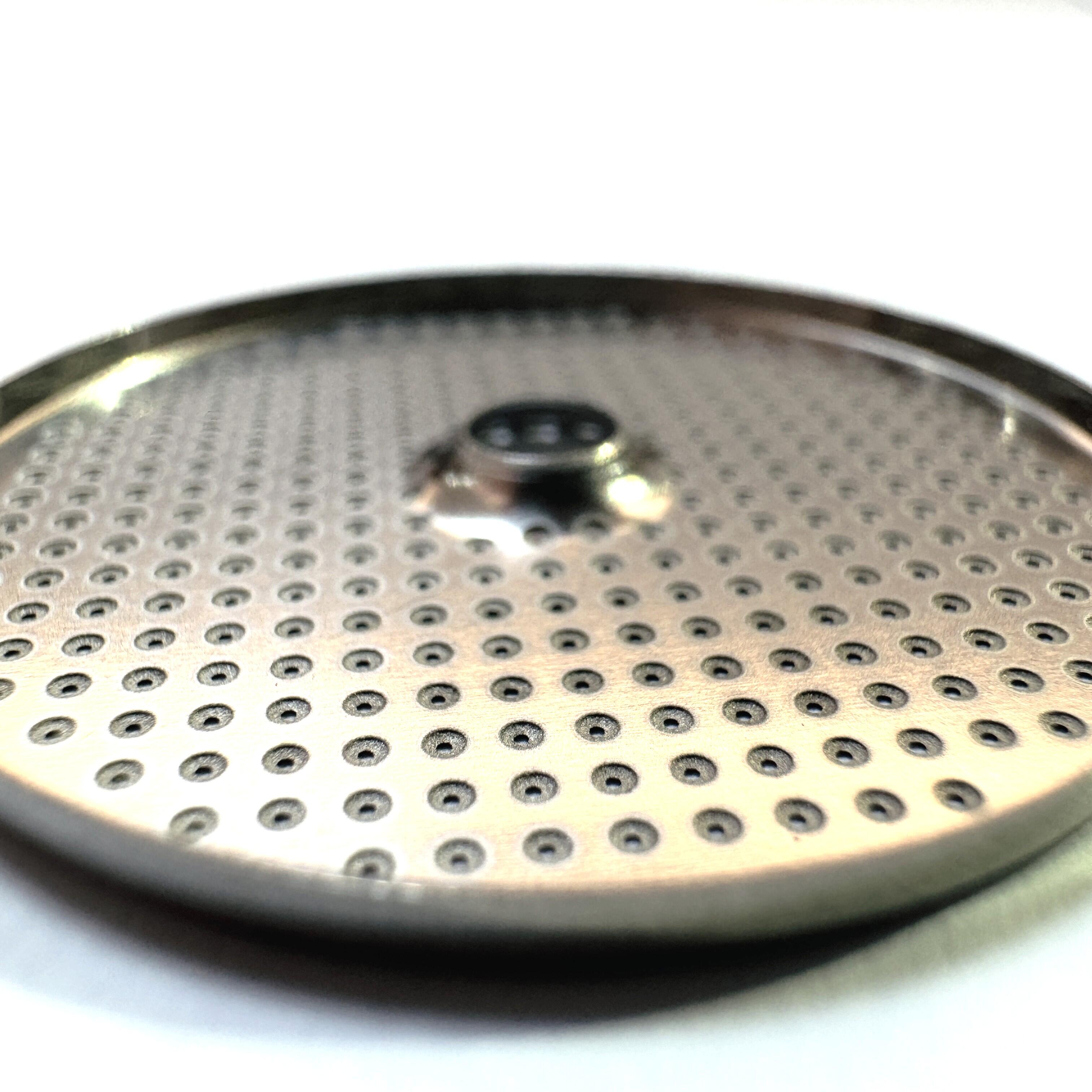
Stainless steel etching
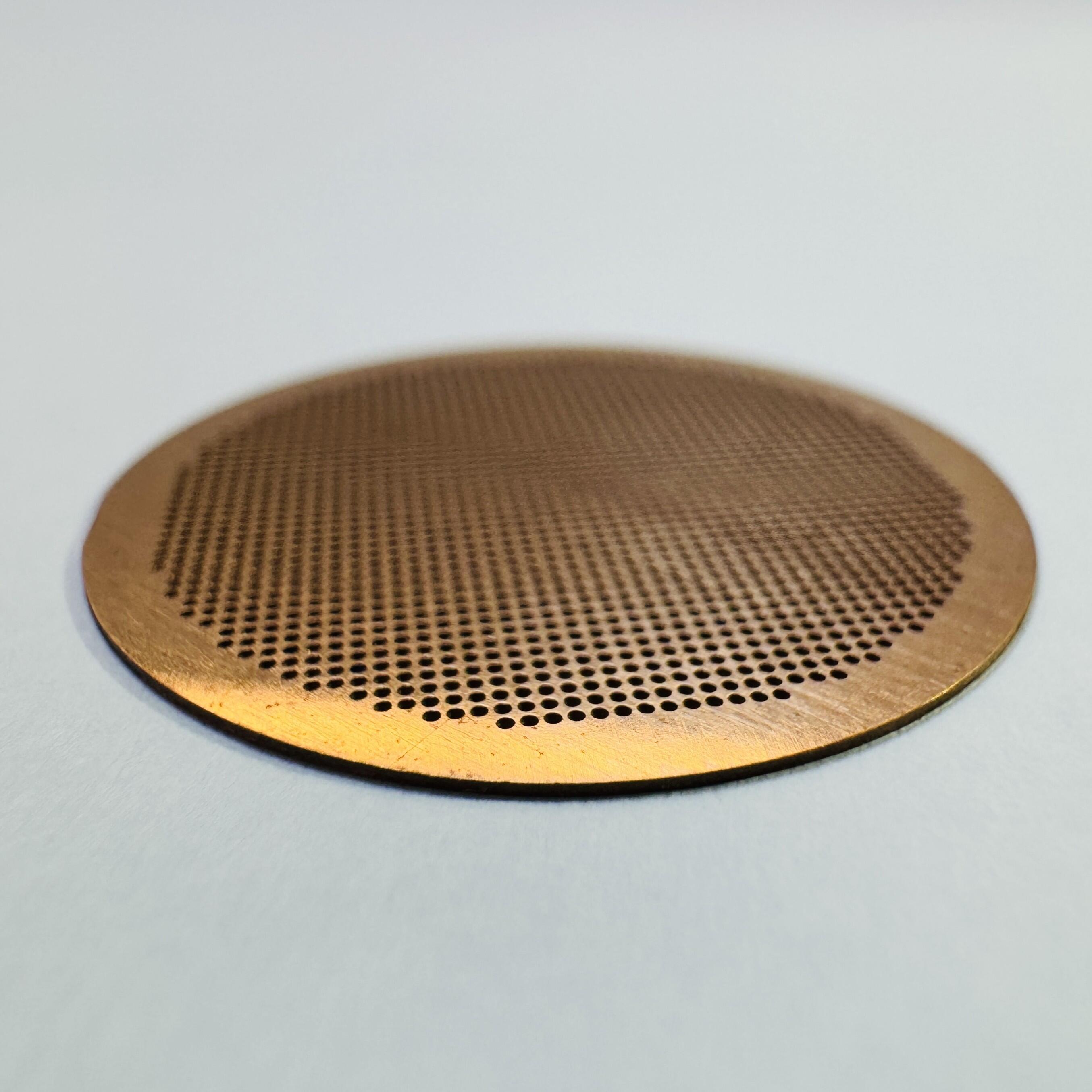
Stainless steel etching

Stainless steel etching
Stainless steel etching
Stainless steel etching
Vapor chamber
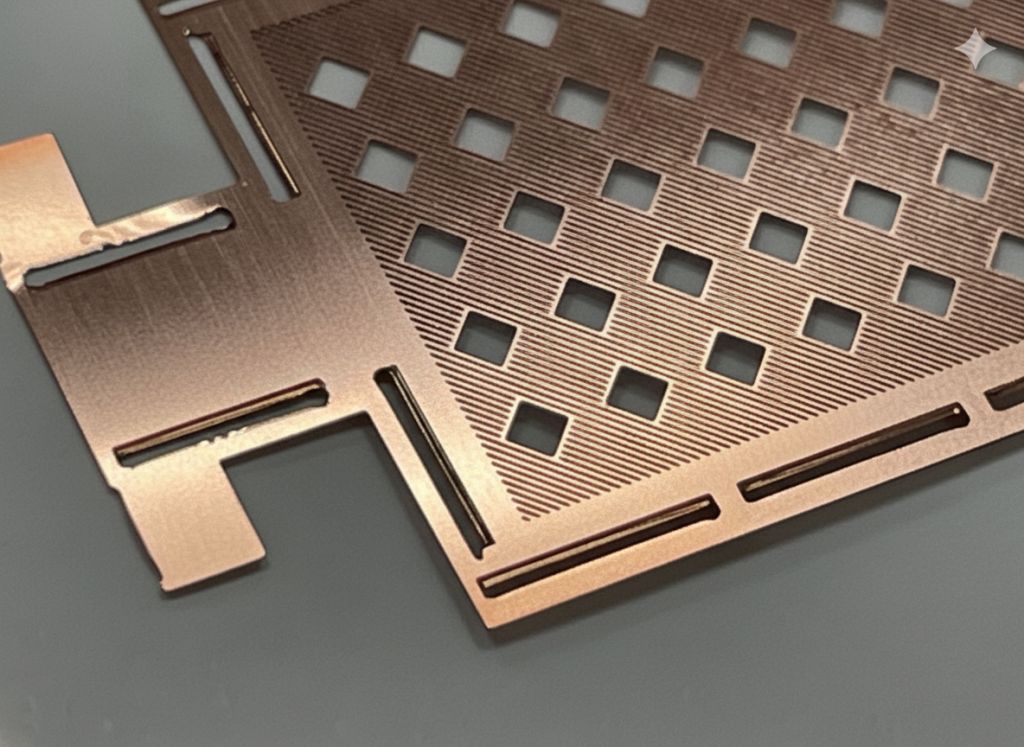
Vapor chamber
To address the concentrated heat generated by high-power components, an efficient heat flow path is constructed. By rapidly transferring the instantaneously accumulated heat to the heat dissipation structure, the thermal load on core components is significantly reduced, effectively preventing thermal throttling or hardware damage caused by heat accumulation, and ensuring the ultimate stability of system operation.
Features
01 Uniform heat transfer efficiency
— Ensure the target temperature is reached within a short time.
02 Optimized heat dissipation efficiency
— The stringent requirements of handling high heat output within an extremely small space
03 Suitable for confined spaces
— Suitable for heat dissipation in high-density, compact electronic products
Vapor chamber